

Working in challenging terrains like railroads, forests, and other hard-to-reach areas presents unique hazards that require specialized knowledge and preparation. Whether you’re involved in forest cleaning operations or railroad maintenance, prioritizing safety protocols can mean the difference between a successful project and a dangerous incident. These environments demand heightened awareness, proper equipment, and comprehensive planning to ensure worker protection while maintaining operational efficiency.
Essential safety equipment for terrain operations
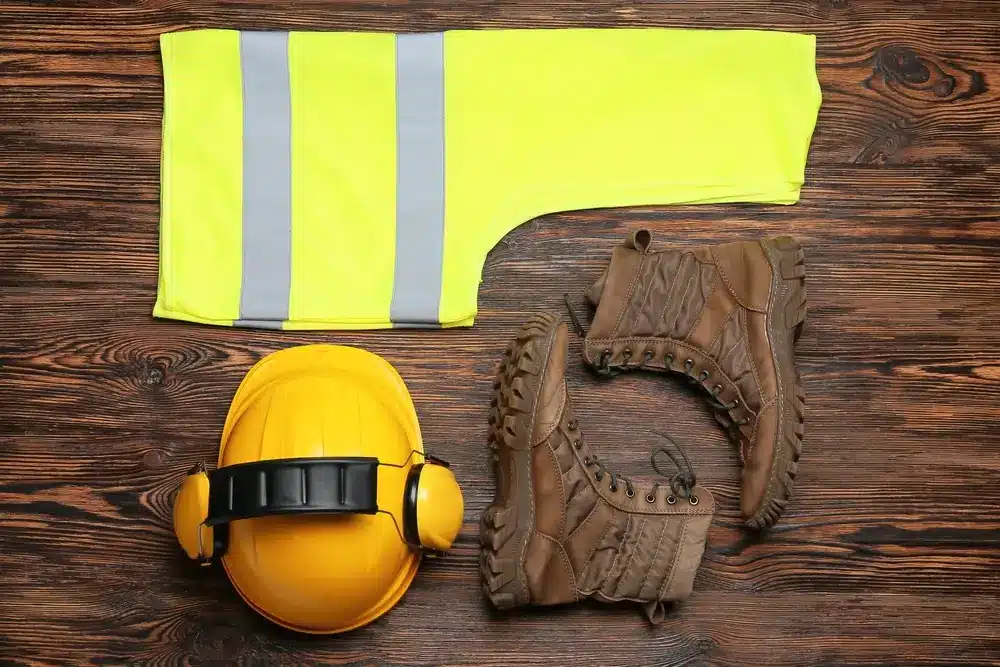
The foundation of safe rough terrain access begins with proper personal protective equipment (PPE) specifically designed for challenging environments. Hard hats with chin straps are crucial in forested areas where falling branches pose constant threats, while high-visibility clothing becomes essential near active railroad corridors where equipment operators need clear sight lines.
Sturdy, slip-resistant footwear with ankle support provides the stability needed when navigating uneven surfaces, rocky outcrops, or muddy forest floors. Steel-toed boots offer additional protection against falling objects and equipment hazards commonly encountered during forest cleaning operations.
Communication devices represent another critical safety component. Two-way radios with extended range capabilities ensure teams maintain contact even in areas with poor cellular coverage. GPS units and emergency beacons provide backup location services, enabling rapid response if workers become separated or injured in remote locations.
- Cut-resistant gloves for handling vegetation and debris
- Eye protection against flying particles and branches
- First aid kits equipped for remote area emergencies
- Emergency shelter supplies for unexpected weather changes
Pre-operational planning and risk assessment
Thorough terrain assessment forms the cornerstone of safe operations in challenging environments. Before beginning any project, teams must evaluate ground conditions, weather forecasts, and potential environmental hazards. This includes identifying unstable slopes, areas prone to rockfall, or sections with compromised soil integrity that could affect equipment stability.
Railroad environments require additional considerations including train schedules, electrical hazards from overhead lines, and proper flagging procedures. Coordination with railroad operators ensures work crews receive adequate warning of approaching trains and understand emergency evacuation procedures.
Forest operations demand awareness of seasonal factors such as fire danger levels, wildlife activity patterns, and tree health conditions. Dead or damaged trees, known as widow makers, pose significant overhead hazards that require identification and removal before work begins.
Weather monitoring becomes particularly crucial in rough terrain where conditions can change rapidly. Teams should establish clear protocols for suspending operations during high winds, electrical storms, or other hazardous weather conditions that could compromise safety.
Safe navigation techniques in rough terrain access
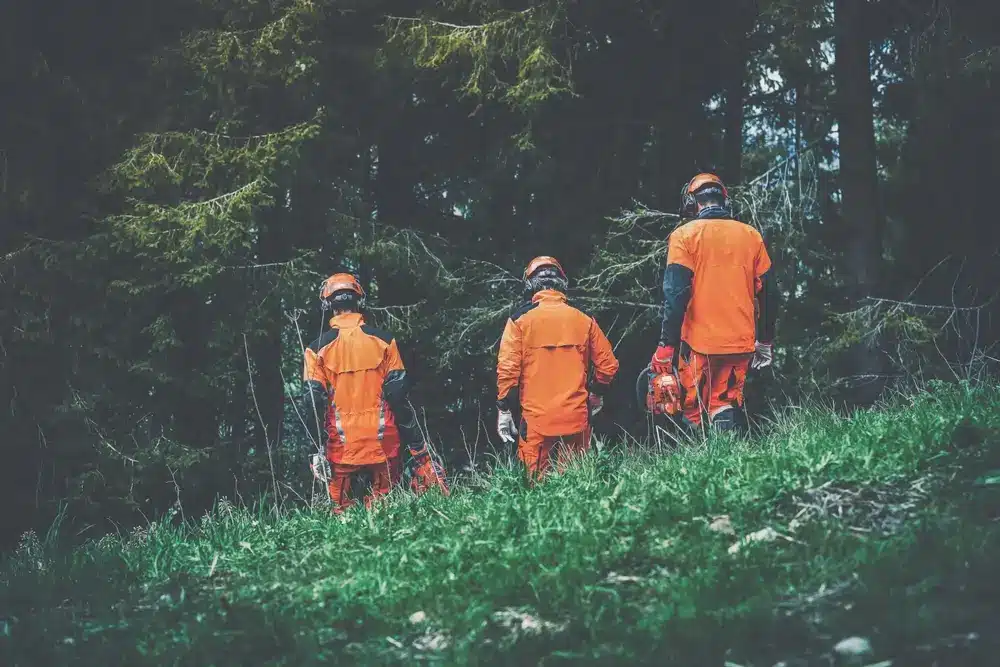
Moving safely through challenging terrain requires specific techniques that minimize injury risk while maintaining operational efficiency. The three-point contact rule applies when traversing steep or unstable surfaces – always maintain contact with the ground using two hands and one foot, or two feet and one hand.
Route planning should prioritize the safest path rather than the most direct one. This often means taking longer routes that avoid steep grades, unstable surfaces, or areas with overhead hazards. Establishing and marking safe travel corridors helps ensure consistent use of approved paths throughout the project duration.
Team movement protocols become essential when working in groups. Maintaining visual contact between team members, using buddy systems for hazardous areas, and establishing regular check-in procedures help prevent accidents and ensure rapid response to emergencies.
Equipment transport requires special attention in rough terrain. Using proper lifting techniques, securing loads against shifting, and selecting appropriate carrying methods based on terrain conditions prevents both equipment damage and worker injury.
Emergency response procedures for remote locations
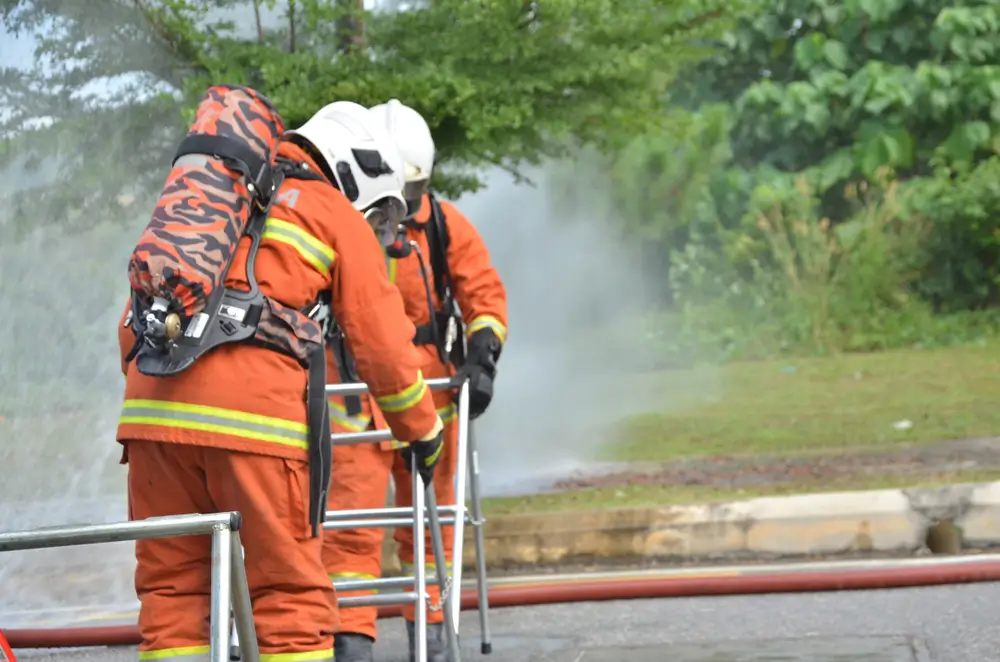
Remote terrain operations demand robust emergency response plans that account for delayed emergency service access and challenging evacuation conditions. Establishing emergency action plans specific to each work location ensures teams understand evacuation routes, communication procedures, and first aid protocols.
Designated safety personnel should receive advanced first aid training appropriate for remote area operations. This includes wilderness first aid certification that covers extended care situations where professional medical help may be hours away.
Emergency evacuation procedures must consider terrain limitations that may prevent standard ambulance access. This could involve helicopter landing zones, all-terrain vehicle evacuation routes, or specialized rescue equipment positioning.
Regular emergency drills help teams practice response procedures under realistic conditions. These exercises should include communication tests, evacuation timing, and coordination with external emergency services to identify potential gaps in response capabilities.
Equipment maintenance and safety protocols
Proper equipment maintenance becomes critical when operating in harsh environments that accelerate wear and stress on machinery. Daily inspection routines should check all safety systems, hydraulic components, and structural elements for signs of damage or deterioration.
Specialized terrain access equipment requires operators trained in both standard operation and emergency shutdown procedures. This training should cover equipment limitations, safe operating parameters, and recognition of conditions that require operation suspension.
Tool and equipment securing protocols prevent items from becoming projectiles or falling hazards in rough terrain. This includes proper storage during transport, secure anchoring during operation, and systematic tool accountability to prevent lost items that could create hazards.
Regular equipment servicing schedules must account for the increased demands of rough terrain operation. More frequent maintenance intervals help identify potential failures before they compromise safety or strand crews in remote locations.
Implementing comprehensive safety protocols for rough terrain access operations protects workers while ensuring project success in challenging environments. From proper equipment selection to emergency response planning, every aspect of terrain operations requires careful attention to safety considerations. If you’re planning operations in challenging terrains and need expert guidance on safety protocols and specialized access solutions, contact our experienced team to discuss your specific requirements and ensure your project proceeds safely and efficiently.