

When operating in challenging environments like dense forests, steep railroad embankments, or remote construction sites, choosing the right equipment for rough terrain can mean the difference between project success and costly delays. The wrong machinery not only compromises safety but also leads to inefficient operations, increased maintenance costs, and potential environmental damage. Understanding the specific demands of your terrain and matching them with appropriate equipment capabilities is essential for any successful rough terrain operation.
Every challenging environment presents unique obstacles that require specialized solutions. From navigating through thick vegetation during forest cleaning operations to maintaining stability on uneven railroad corridors, the equipment you select must be capable of handling extreme conditions while maintaining operator safety and operational efficiency.
Understanding terrain-specific equipment requirements
Different types of rough terrain demand specific equipment characteristics. Forest cleaning operations require machinery with enhanced cutting capabilities, robust undercarriages, and superior maneuverability through tight spaces. The equipment must handle falling debris, navigate around standing trees, and operate effectively on soft, uneven ground conditions.
Railroad maintenance and construction present their own unique challenges. Equipment operating near or on railway infrastructure must comply with strict safety regulations while providing the stability needed for precision work. Railroad terrain access equipment typically features specialized track guidance systems, enhanced visibility features, and the ability to quickly clear tracks when necessary.
Swampy or wetland environments require equipment with low ground pressure capabilities to prevent sinking and environmental damage. These machines often feature wide tracks, flotation systems, and sealed compartments to protect critical components from moisture and debris.
Key features for optimal rough terrain performance
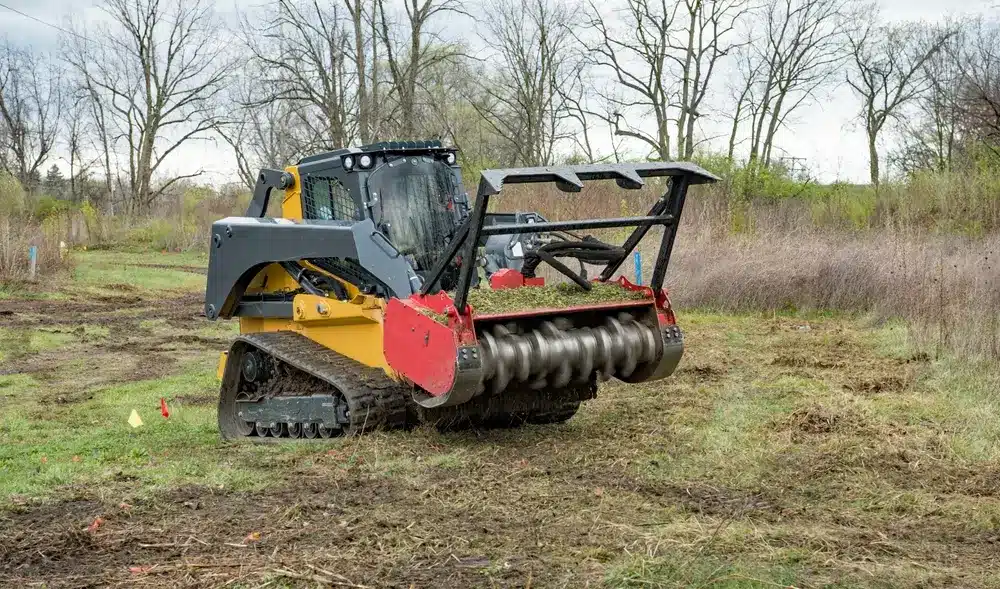
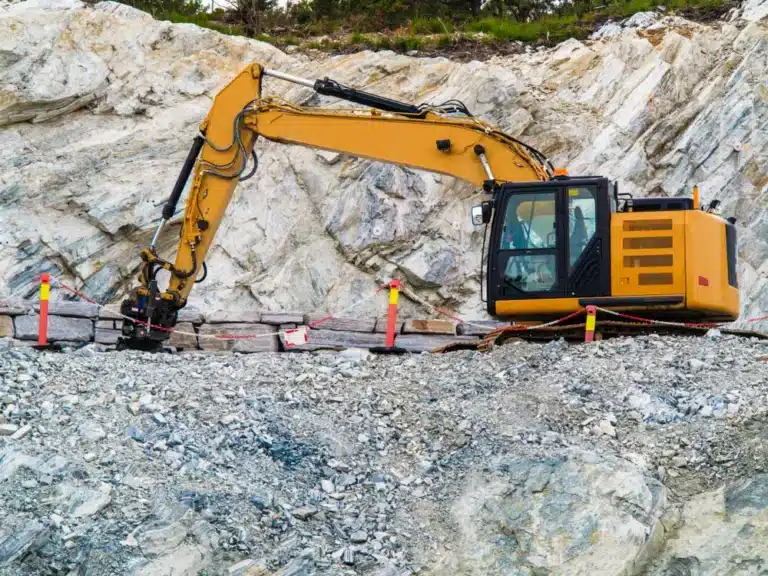
Ground clearance stands as one of the most critical factors when selecting rough terrain equipment. Machines operating in challenging environments must navigate over rocks, logs, stumps, and other obstacles without compromising their undercarriage or operational components. High ground clearance combined with protective skid plates ensures your equipment can handle the most demanding terrain conditions.
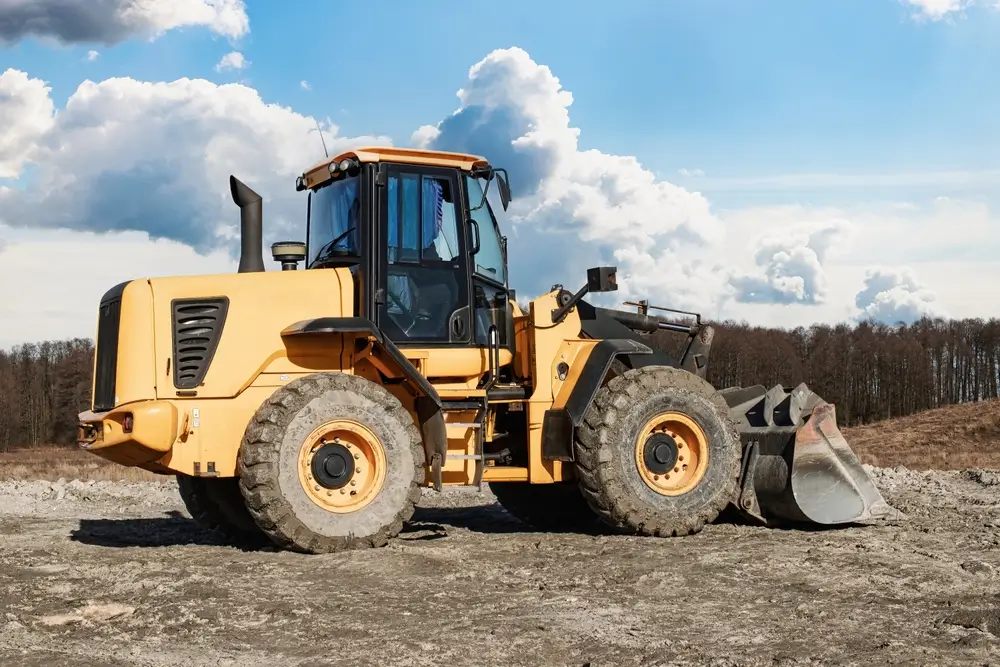
Track systems versus wheel configurations significantly impact performance in rough terrain. Tracked vehicles distribute weight more evenly, reducing ground pressure and providing better traction on soft or unstable surfaces. However, wheeled equipment offers greater mobility on hard surfaces and easier transportation between job sites.
Hydraulic system capacity directly affects the equipment’s ability to power through demanding tasks. Robust hydraulic systems ensure consistent performance when operating cutting attachments, lifting heavy materials, or powering through dense vegetation. Look for systems with adequate flow rates, pressure capabilities, and effective cooling mechanisms to prevent overheating during extended operations.
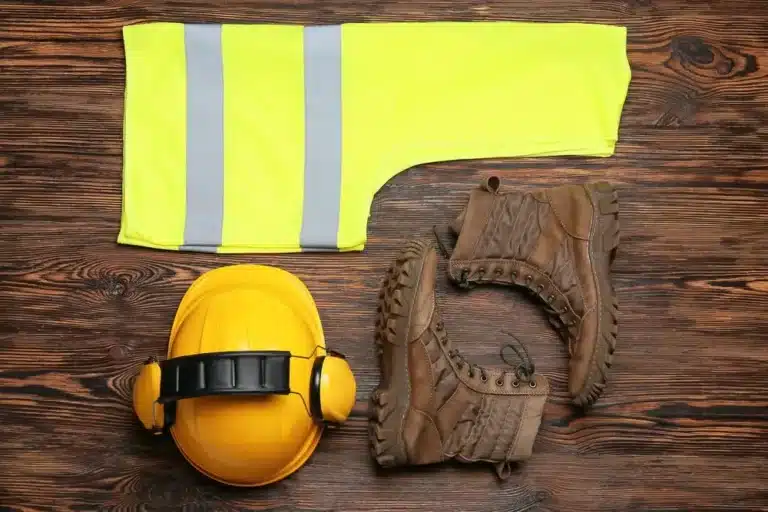
Operator visibility and safety features cannot be compromised in rough terrain operations. Equipment should feature reinforced operator cabins, excellent sight lines, and comprehensive lighting systems for low-visibility conditions. Emergency shutdown systems and rollover protection structures are essential safety components.
Matching equipment capabilities to project demands
Project scope and duration significantly influence equipment selection decisions. Short-term projects may benefit from rental equipment, while long-term operations often justify purchasing specialized machinery. Consider the total cost of ownership, including maintenance, transportation, and storage requirements when making your decision.
Attachment versatility allows single machines to perform multiple functions, improving operational efficiency and reducing equipment fleet requirements. Multi-functional equipment with quick-change attachment systems can adapt to varying project needs throughout the operation lifecycle.
Environmental considerations play an increasingly important role in equipment selection. Low-emission engines, biodegradable hydraulic fluids, and noise reduction features may be required depending on local regulations and environmental sensitivity of the work area.
Maintenance accessibility in remote locations requires careful consideration. Choose equipment with easily accessible service points, reliable diagnostic systems, and proven parts availability. Equipment downtime in remote rough terrain locations can be extremely costly and potentially dangerous.
Technology integration for enhanced performance
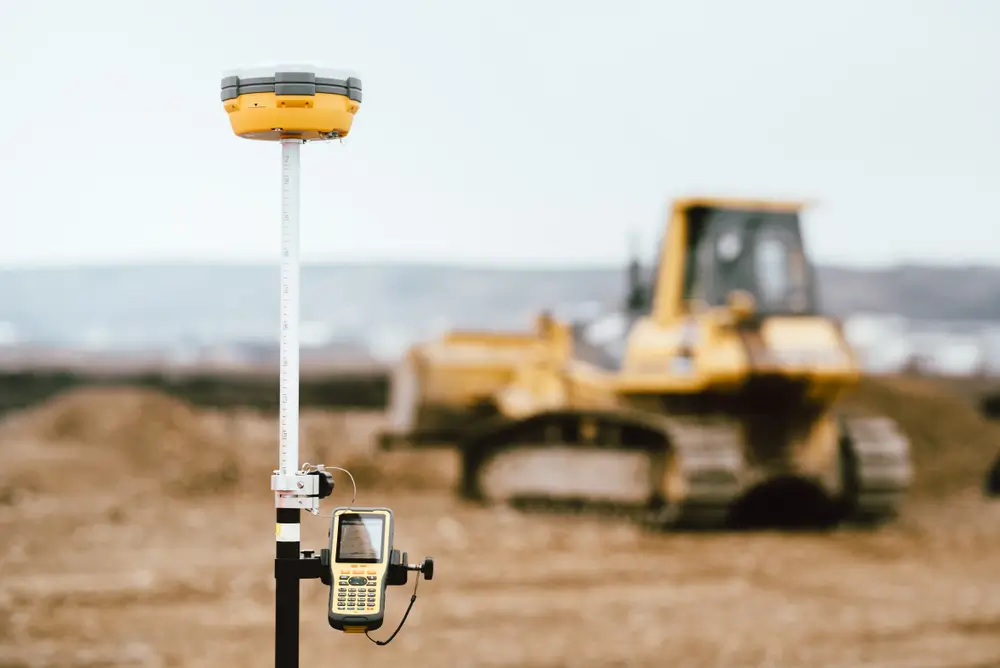
Modern rough terrain equipment increasingly incorporates advanced technology to improve safety, efficiency, and operational control. GPS tracking systems enable precise positioning and help operators navigate challenging terrain while maintaining awareness of property boundaries and sensitive areas.
Remote monitoring capabilities allow supervisors to track equipment performance, maintenance needs, and operator behavior from distant locations. This technology proves particularly valuable in rough terrain operations where direct supervision may be challenging or dangerous.
Safety considerations and regulatory compliance
Safety regulations vary significantly depending on the type of rough terrain operation and geographic location. Regulatory compliance requirements may dictate specific equipment features, operator certification levels, and operational procedures. Railroad operations, for example, require strict adherence to railway safety standards and may mandate specialized equipment certifications.
Emergency response capabilities become critical in remote rough terrain locations. Equipment should include communication systems, first aid supplies, and emergency shutdown procedures. Consider equipment with built-in winching capabilities for self-recovery or assisting other machinery in difficult situations.
Regular equipment inspection and maintenance schedules must account for the harsh operating conditions typical in rough terrain environments. Develop comprehensive pre-operation checklists and establish clear protocols for identifying and addressing potential safety issues before they become dangerous.
Environmental protection measures
Environmental stewardship requires selecting equipment that minimizes ecological impact while maintaining operational effectiveness. Low ground pressure systems reduce soil compaction and protect sensitive root systems during forest operations. Spill-proof fuel and hydraulic systems prevent contamination of soil and water resources.
Noise reduction features help minimize disturbance to wildlife and nearby communities, particularly important in forest cleaning and sensitive environmental areas. Consider equipment operating hours and seasonal restrictions that may affect wildlife populations.
Making the final equipment selection decision
Cost analysis should encompass the total operational expense rather than focusing solely on initial purchase or rental prices. Factor in fuel consumption, maintenance requirements, operator training needs, and potential downtime costs when comparing equipment options.
Vendor support and service availability in your operational area significantly impact equipment reliability and operational continuity. Choose manufacturers or dealers with proven track records in rough terrain applications and readily available parts and service support.
Testing equipment in actual operating conditions, when possible, provides valuable insights into real-world performance capabilities. Many equipment dealers offer demonstration programs that allow operators to evaluate machinery performance in their specific terrain conditions before making final purchasing decisions.
Selecting the right equipment for rough terrain operations requires careful consideration of terrain challenges, project requirements, safety regulations, and long-term operational goals. The investment in appropriate machinery pays dividends through improved safety, enhanced productivity, and reduced operational risks. Contact our experienced team at Rough Terrain Access to discuss your specific equipment needs and discover how our expertise can help you choose the optimal solutions for your challenging terrain projects.