

Accessing difficult terrain represents a major challenge for many industries, from railway maintenance to forest clearing. In a world where safety and operational efficiency are paramount, understanding best practices and technological innovations becomes essential. Whether you are a project manager, field technician, or safety officer, mastering the challenges of rough terrain access can transform your operations and ensure the success of your most complex missions.
Specific challenges of access in difficult terrain
Navigating hostile environments requires in-depth technical expertise and meticulous planning. Rugged terrain presents multiple obstacles: steep gradients, unstable surfaces, dense vegetation, or aging infrastructure. These conditions demand tailored solutions adapted to each operational context.
In the railway sector, accessing isolated tracks or mountain installations requires specialized equipment capable of handling steep slopes while transporting heavy materials. Teams must deal with space constraints, strict traffic schedules, and stringent safety requirements.
For forest clearing operations, the challenges differ but remain equally complex. Preserving the ecosystem, managing plant debris, and reaching sometimes inaccessible areas require innovative and environmentally responsible approaches.
Technologies and equipment for safe access
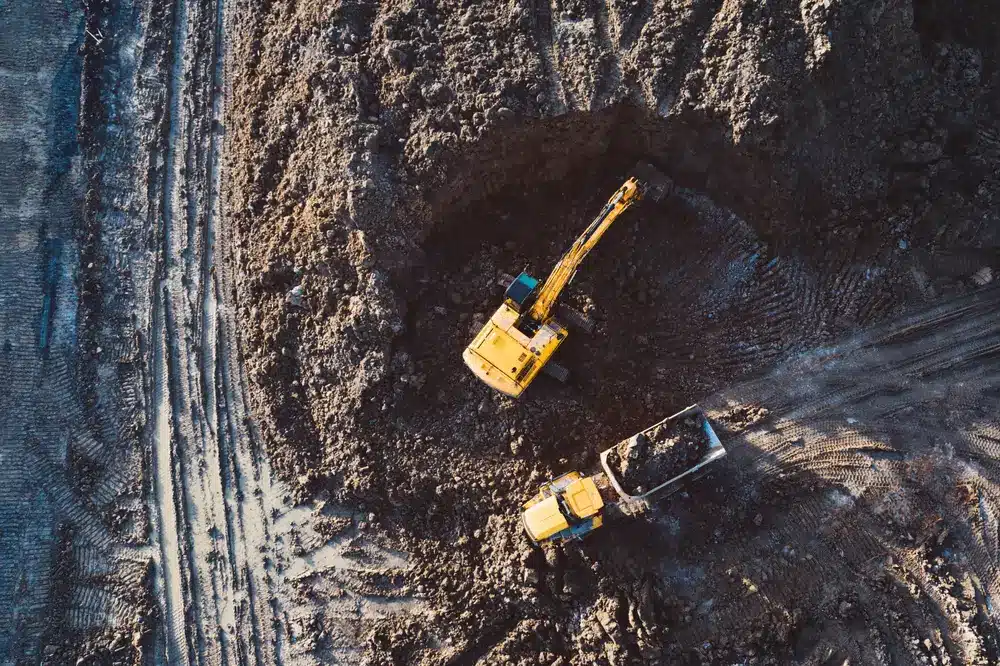
Technological advancements have revolutionized intervention methods in difficult terrain. Modular all-terrain vehicles equipped with tracks or specialized wheels now provide exceptional mobility across varied surfaces. These machines enable the transport of equipment and personnel to previously inaccessible areas.
Enhanced GPS positioning systems and integrated environmental sensors significantly improve operational safety. These technologies allow precise navigation even in low-visibility conditions while collecting essential data on terrain conditions.
The use of drones for preliminary reconnaissance has become standard practice in the industry. These tools help assess risks, plan optimal routes, and identify sensitive areas before ground teams intervene. This preventive approach significantly reduces downtime and operational costs.
Modular and adaptable solutions
Modular equipment represents the future of access in difficult terrain. These systems allow rapid configuration adjustments based on the specific needs of each mission. Lifting platforms, transport systems, and specialized tools can be combined to create fully customized solutions.
Best practices for rough terrain access operations
Thorough preparation is the cornerstone of any successful operation. A comprehensive terrain assessment must precede each intervention, including analysis of weather conditions, soil stability, potential obstacles, and emergency evacuation routes.
Continuous team training remains essential. Technicians must master not only the use of specialized equipment but also safety procedures specific to challenging environments. Human expertise effectively complements technological advancements.
Establishing robust communication protocols ensures coordination among all stakeholders. In areas where network coverage may be limited, redundant communication systems maintain reliable contact with supervisory teams.
- Systematic pre-assessment of terrain conditions
- Regular training on specialized equipment
- Implementation of redundant communication systems
- Planning alternative routes and evacuation points
- Rigorous preventive equipment maintenance
Innovation and sustainable development in terrain access
The difficult terrain access industry is moving toward more sustainable solutions. Electric or hybrid powertrains reduce the environmental footprint of operations, which is particularly important in sensitive natural areas.
Lightweight and durable composite materials make it possible to design higher-performance equipment while reducing their impact on fragile soils. This environmentally responsible approach is becoming a decisive selection criterion for many projects.
The integration of artificial intelligence into navigation systems optimizes routes in real time, minimizing potential damage to the ecosystems crossed. These predictive technologies simultaneously enhance operational efficiency and environmental preservation.
Future trends and sector opportunities
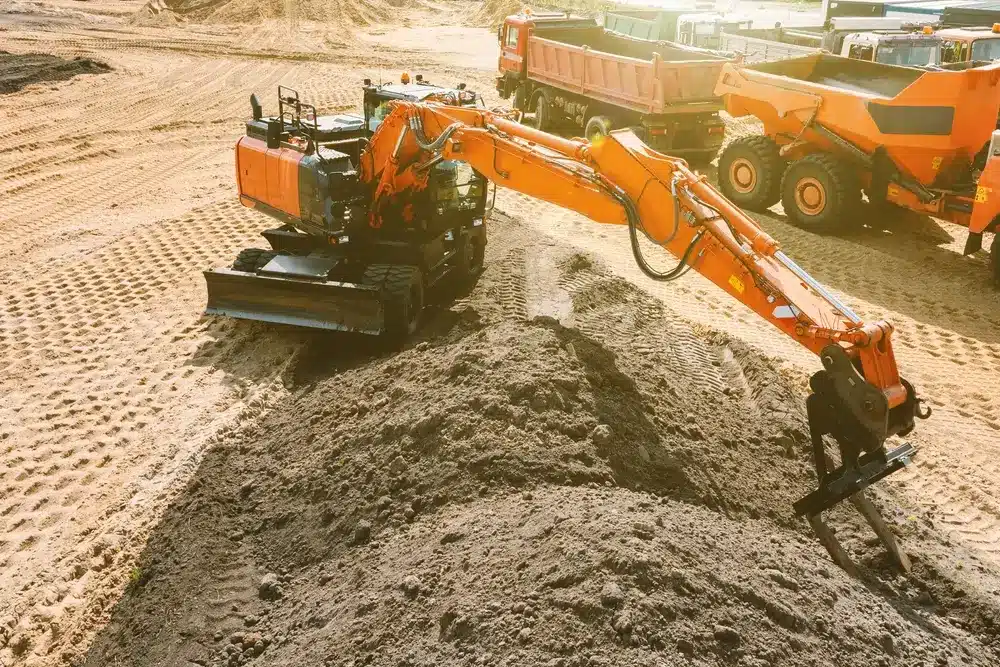
The difficult terrain access market is experiencing sustained growth, driven by increasing needs in infrastructure maintenance and environmental management. The renewable energy sector, particularly wind and solar, is generating new opportunities for rough terrain access specialists.
The gradual automation of equipment is paving the way for remote-controlled operations in the most hostile environments. This technological evolution improves operator safety while expanding intervention capabilities.
Cross-sector collaboration is expanding, creating synergies between different areas of expertise. Shared experience between railway, forestry, and energy sectors enhances best practices and accelerates innovation.
Mastering the challenges of difficult terrain access requires a comprehensive approach that combines technical expertise, advanced technologies, and environmental responsibility. To benefit from customized solutions and expert support for your most complex projects, contact our team of specialists who will guide you toward the most effective intervention strategies tailored to your specific terrain challenges.