

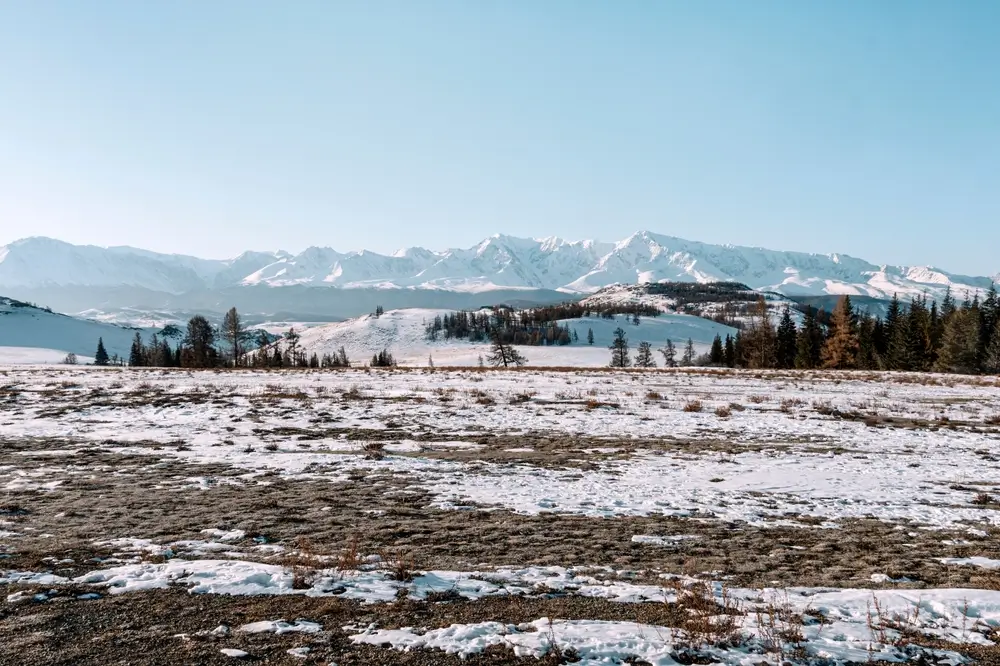
Seasonal access considerations in rough terrains represent a major challenge for professionals working in extreme environments. Whether for railway maintenance, forest clearing, or other specialized operations, understanding the impact of seasons on accessibility and adapting working methods accordingly becomes crucial to maintaining the safety and efficiency of interventions.
Each season brings its own challenges and opportunities, significantly altering terrain conditions and access strategies. Careful planning and constant adaptation of equipment and techniques make it possible to overcome these natural obstacles while preserving the quality of operations.
The specific challenges of winter access
Winter radically transforms access conditions in rough terrains. Snow, ice, and extreme temperatures create additional obstacles that require special preparation. Standard equipment can become ineffective, or even dangerous, in these conditions.
Key winter considerations include:
- Adapting vehicles with tracks or specialized snow tires
- Using snow removal equipment to create temporary access routes
- Training staff in cold-weather working techniques
- Planning storage areas for frost-sensitive equipment
Winter railway operations require particular attention to frozen rails and snow accumulations that can block access to maintenance areas. The use of heating equipment and de-icing systems then becomes essential to maintaining continuity of operations.
Adaptation strategies for wet and muddy terrain
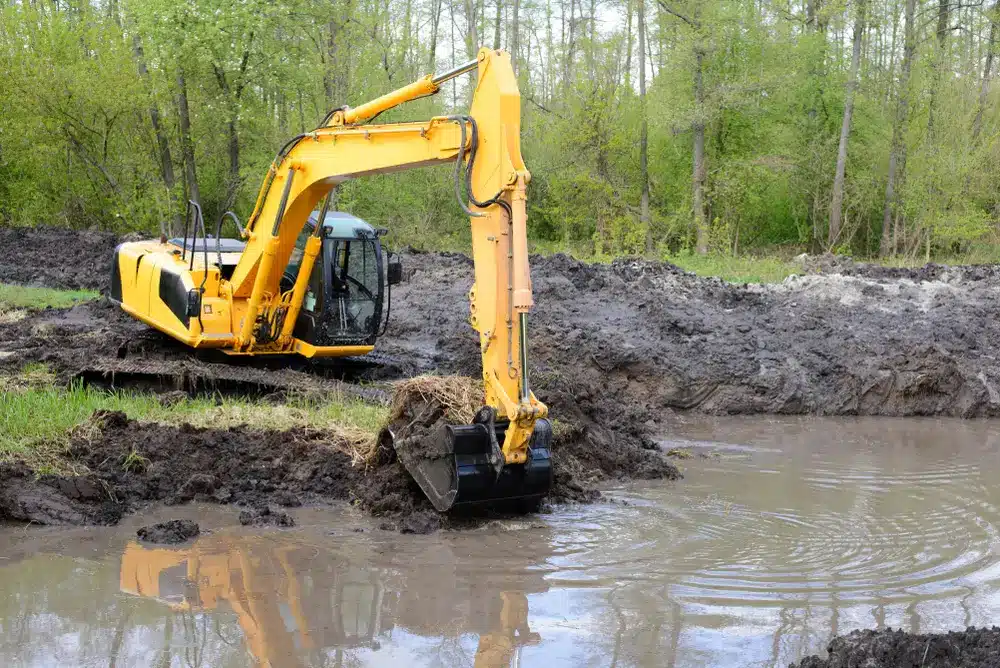
Spring and autumn bring their own set of challenges with increased rainfall and snowmelt. Terrain becomes muddy and unstable, significantly complicating access to work areas. This period calls for significant technical and logistical adjustments.
Solutions for navigating these conditions include the use of low ground pressure tracked vehicles, the installation of temporary roadways made from steel plates or composite materials, and the deployment of temporary drainage systems to remove standing water.
For forest clearing operations, the post-winter period often represents the ideal time to access difficult areas, as vegetation has not yet resumed its dense growth. However, the reduced soil stability requires the use of specialized equipment and enhanced environmental protection techniques.
Optimizing access during the dry season
Summer generally offers the best access conditions for most rough terrains. Ground stability allows for the use of heavier equipment and access to areas that are normally unreachable. This is often the preferred period for major maintenance work and large-scale projects.
However, the dry season also presents its own specific challenges. Fire risks increase considerably, requiring additional precautions when using spark-generating equipment. Dust can also create visibility problems and damage sensitive equipment.
Summer strategies include:
- Preventive watering of dusty areas to improve visibility
- Installing mobile fire suppression systems on high-risk sites
- Scheduling operations during the coolest hours of the day
- Making optimal use of favorable weather windows
Seasonal planning and resource management
Effective seasonal planning requires a proactive approach that anticipates changing conditions and adjusts resources accordingly. This planning begins with a detailed analysis of historical weather data and terrain conditions specific to each intervention site.
Rotating equipment according to the seasons optimizes its use and reduces premature wear. For example, vehicles fitted for winter operations can be converted for summer use with appropriate equipment modifications.
Staff training must also adapt to seasonal specifics. Teams must be proficient in cold-weather working techniques, safety procedures for muddy terrain, and fire prevention protocols for the dry season. This versatility ensures operational continuity throughout the year.
Technologies and equipment suited to seasonal variations
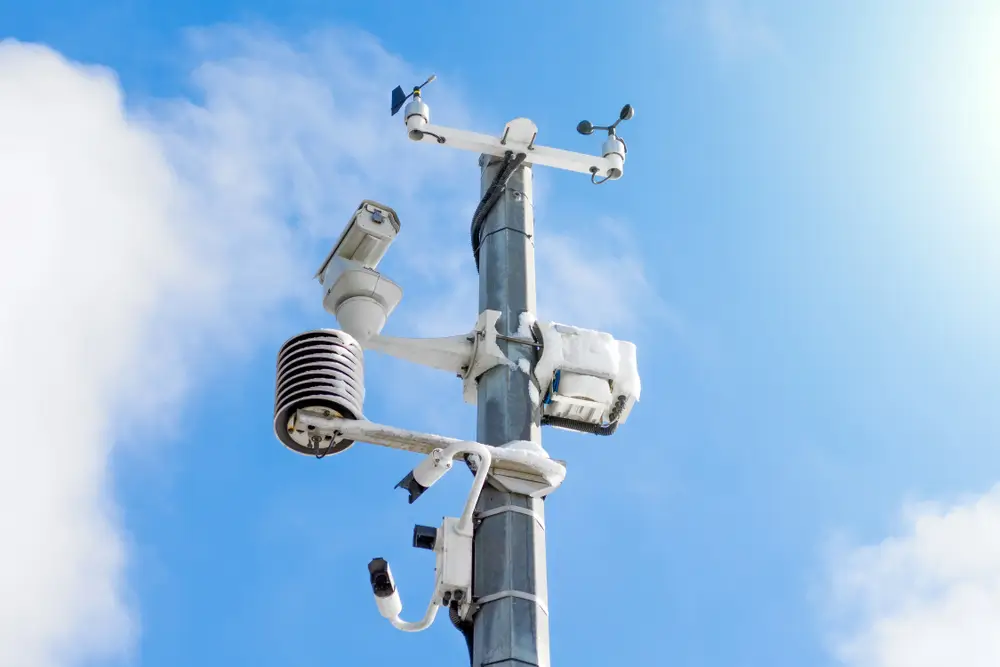
Technological advances now offer innovative solutions for adapting to seasonal variations in rough terrains. Real-time weather monitoring systems make it possible to anticipate changing conditions and adjust operations accordingly.
Modular equipment represents a major advancement, enabling rapid adaptation to changing conditions. A single vehicle can be fitted with different systems depending on the season: a snow plow blade in winter, a dust suppression spraying system in summer, or drainage equipment in spring.
Temporary construction materials have also evolved to offer more durable and reusable solutions. Temporary access roads can now be installed and dismantled quickly, adapting to seasonal needs without any lasting environmental impact.
Mastering seasonal access considerations in rough terrains is essential to maintaining safe and efficient operations throughout the year. This expertise requires a combination of strategic planning, adapted equipment, and specialized training. To benefit from customized solutions tailored to your specific seasonal challenges, contact our experts, who will guide you in optimizing your access in rough terrain, whatever the season.