

Planning safe access to sites in difficult terrain represents a major challenge for professionals working in hostile environments. Whether you are operating on isolated railway tracks, in dense forest areas, or on mountain job sites, planning safe site access requires a methodical and rigorous approach. This crucial step determines not only the success of your mission, but above all the safety of your teams in the field.
Statistics show that 40% of workplace accidents in difficult terrain are directly linked to poor access planning. This reality highlights the importance of adopting a structured approach that takes into account all risk factors and the specific characteristics of the intervention site.
Preliminary terrain and risk assessment
The first step in safe access planning is to conduct a comprehensive assessment of the intervention site. This preliminary analysis must incorporate several critical dimensions to ensure operational safety.
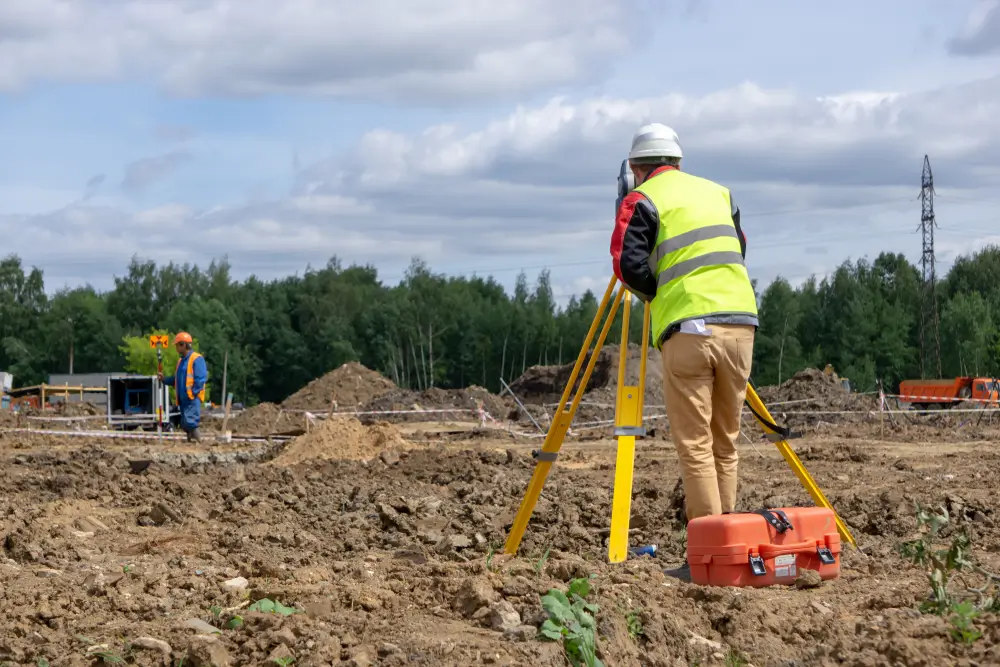
Topographic analysis forms the foundation of this assessment. It helps identify elevation changes, unstable areas, waterways, or natural obstacles that may complicate access. For railway operations, this analysis includes ballast conditions, the presence of bridges or tunnels, and the frequency of passenger or freight train traffic.
Weather conditions are another determining factor. Short- and medium-term forecasts help anticipate risks related to frost, precipitation, or strong winds that may render certain access routes impractical. In forest areas, this data is essential to avoid periods of high fire risk or falling branches caused by severe weather.
- Analysis of official topographic maps and detailed land surveys
- Review of specialized weather reports
- Identification of dense or unstable vegetation areas
- Location of water points and wetlands
- Assessment of soil stability according to seasonal variations
Selecting appropriate access equipment

Choosing the right equipment is a fundamental step in secure access route planning. Each type of terrain requires specific technical solutions that must be sized according to the constraints identified during the preliminary assessment.
For railway operations, rail-road vehicles offer remarkable versatility by enabling travel both on and off the tracks. These specialized units significantly reduce travel time while maintaining a high level of safety. Their ability to transport personnel and equipment directly to the site optimizes operational efficiency.
In forest environments, all-terrain equipment fitted with tracks or low-pressure tires minimizes impact on fragile soils. These machines can overcome significant natural obstacles while preserving the surrounding ecosystem. The integration of enhanced GPS navigation systems improves movement accuracy in areas where visual landmarks are limited.
Selecting specialized equipment must also take into account required payload, necessary autonomy, and site access constraints. Inadequate vehicles can not only compromise the mission but also create hazardous situations for operators.
Safety protocols and emergency procedures
Establishing rigorous safety protocols is the central pillar of any safe access planning. These procedures must cover all possible scenarios, from routine operations to the most critical emergency situations.
Communication is a major issue in isolated areas. Implementing redundant communication systems ensures continuous contact with coordination teams, even in the event of primary network failure. Geolocation beacons enable real-time tracking of teams and facilitate rescue operations when necessary.
Emergency response protocols must be tailored to the specific characteristics of each environment. In railway areas, they include coordination procedures with traffic control centers and maintenance services. For forest operations, they address risks such as fire, falling trees, or prolonged team isolation.
Training personnel in first aid and terrain-specific evacuation techniques significantly enhances operational safety. This preparation includes proper use of suitable personal protective equipment and survival techniques in hostile environments.
Coordination with authorities and local partners

The success of a safe operation largely depends on effective coordination with all stakeholders. This collaboration begins during the planning phase and continues throughout the operation.
For railway interventions, coordination with infrastructure managers is essential. It ensures access authorization, planning of necessary traffic interruptions, and compatibility of equipment with existing installations. This preventive approach avoids usage conflicts and minimizes accident risks.
In forest environments, relationships with forestry services, private landowners, and environmental organizations facilitate access to sensitive areas. These partnerships also provide valuable local knowledge about terrain conditions, wildlife presence, and seasonal factors to consider.
Notifying local emergency services about the nature and location of operations significantly improves response times in case of emergency. This information allows rescue teams to prepare and adapt their resources to the specific constraints of the site.
Continuous monitoring and plan adaptation
An effective safe access plan cannot be considered static. Continuous condition monitoring and ongoing adaptation of procedures ensure that an optimal level of safety is maintained throughout the intervention.
Real-time monitoring of weather conditions, terrain status, and equipment performance helps anticipate adverse developments. This active oversight enables necessary tactical adjustments before conditions become critical.
Feedback from field teams is a valuable source of information for continuous improvement of procedures. Their practical knowledge of the site complements the initial theoretical analysis and may reveal aspects not identified during the planning phase.
The integration of connected sensors on equipment and within the work environment provides a comprehensive overview of operational status. This data helps optimize routes, detect anomalies early, and trigger alert procedures when required.
Planning safe access in difficult terrain requires expertise, rigor, and adaptability. By combining thorough risk assessment, careful equipment selection, and effective coordination with all involved parties, you maximize your chances of success while safeguarding your teams. To benefit from personalized support for your challenging terrain access projects, contact our experts today and discover how our expertise can secure your most complex operations.