

In a world where hard-to-reach terrains present constant challenges for professionals, technological innovation is opening up new opportunities. Whether for railway maintenance, forest clearing, or accessing remote areas, modern tools are radically transforming the approach to operations in rough terrain. These advances not only improve operator safety but also optimize work efficiency in environments once considered inaccessible.
Advanced mobility technologies for complex terrains
Specialized vehicles are the cornerstone of modern access to difficult terrains. New generations of all-terrain machines integrate hybrid propulsion systems, combining electric and combustion engines for optimal autonomy. These units feature adaptive tracks capable of automatically adjusting to ground conditions, providing maximum traction on snow, mud, or rocky surfaces.
Latest-generation articulated lifting platforms are revolutionizing vertical access in constrained environments. Equipped with intelligent stabilizers and automatic leveling systems, they enable safe operations on slopes of up to 40 degrees. The integration of proximity sensors and anti-tip systems ensures maximum safety for operators working at height.
The emergence of transport drones is also opening up new possibilities for delivering lightweight equipment to areas inaccessible by land. These autonomous devices can carry up to 25 kg over several kilometers, revolutionizing logistics on remote job sites.
Revolutionary cutting and brush clearing equipment
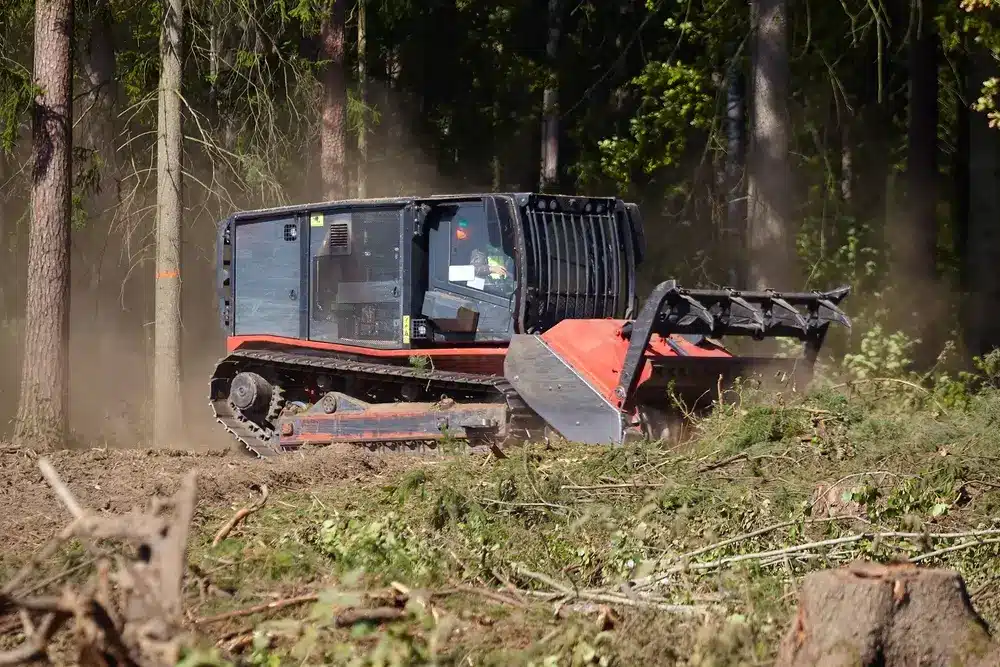
The forest clearing sector is benefiting from remarkable innovations with the introduction of variable-geometry rotary cutting heads. These tools automatically adapt to vegetation diameter, optimizing cutting speed while reducing energy consumption. Ultra-resistant composite blades maintain their sharpness three times longer than traditional steel.
Remote-controlled brush clearing systems are transforming operations in high-risk areas. Controlled from a distance via intuitive interfaces, this equipment enables the clearing of dense vegetation without exposing operators to potential hazards such as falling branches or the presence of wild animals.
The integration of artificial intelligence into cutting tools now enables automatic recognition of species to preserve. These systems analyze vegetation in real time and adjust their action to protect protected species while effectively eliminating invasive plants.
Next-generation railway access solutions
Maintenance of railway infrastructure is evolving thanks to ultra-compact dual-mode rail-road vehicles. These revolutionary machines can operate on railway tracks and then switch to road travel to quickly reach work sites. Their modular design allows equipment to be adapted to specific needs: track maintenance, vegetation trimming, or infrastructure inspection.
Automated railway access platforms integrate centimeter-accurate GPS positioning systems, ensuring precise placement along the tracks. Their hydraulic stabilizers automatically adjust to track cant, providing perfect stability even on sharp curves.
The major innovation lies in connected safety alert systems that communicate in real time with railway control centers. These devices ensure the automatic shutdown of work when a train approaches, eliminating accident risks on active railway tracks.
Integrated monitoring and safety technologies
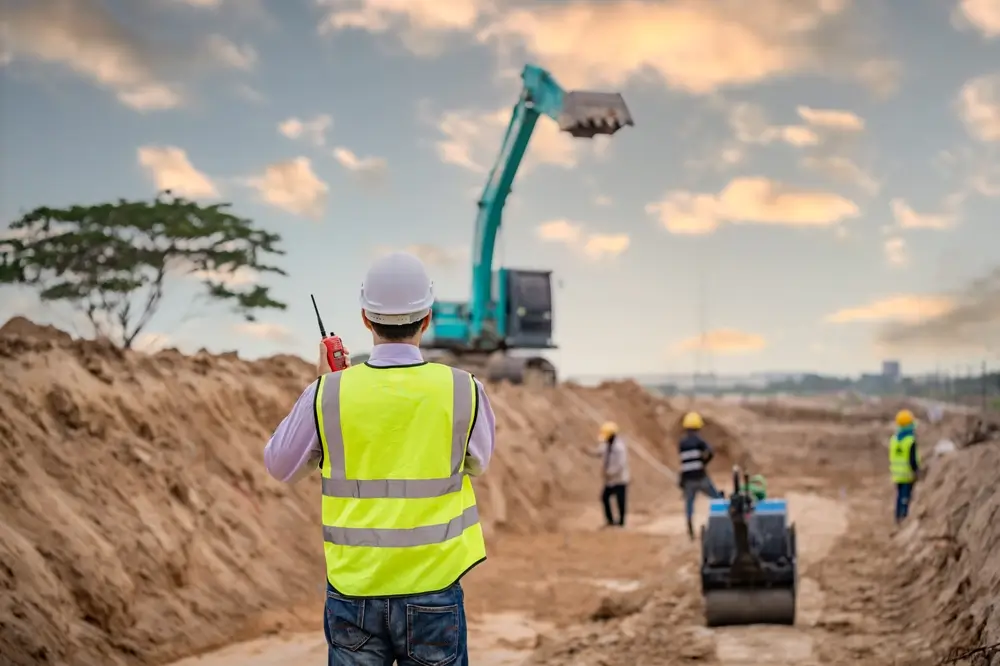
Modern equipment for accessing difficult terrains integrates advanced monitoring systems based on the Internet of Things (IoT). These connected sensors continuously monitor critical parameters: machine stability, weather conditions, air quality, and human presence within the work perimeter.
High-resolution thermal cameras enable early detection of dangerous situations, including the presence of wild animals or the identification of unstable areas. Combined with behavioral analysis algorithms, they automatically alert operators in case of imminent risk.
Ultra-precise geolocation systems with integrated distress beacons ensure continuous tracking of field teams. In case of emergency, these devices instantly transmit the exact position to emergency services, significantly reducing response times in remote areas.
Sustainable innovation and environmental responsibility
The shift toward environmentally friendly technologies is a major challenge for accessing sensitive terrains. Silent electric motors drastically reduce the noise impact of operations, preserving the tranquility of local wildlife. High-capacity lithium-ion batteries now provide sufficient autonomy for a full day of intensive work.
Energy recovery systems through regenerative braking and integrated solar panels optimize the energy efficiency of equipment. This sustainable approach reduces operational costs while minimizing the carbon footprint of interventions.
Biodegradable hydraulic oils and recyclable materials used in machine construction demonstrate a strong commitment to preserving fragile ecosystems where these specialized equipment units operate.
Continuous innovation in the field of access to difficult terrains is revolutionizing professional practices and opening new operational perspectives. These advanced technologies, combining performance, safety, and environmental responsibility, enable companies to confidently tackle the most complex challenges. To discover how these innovative solutions can transform your operations and improve your efficiency on rough terrain, contact our experts today for personalized advice on the equipment best suited to your specific needs.