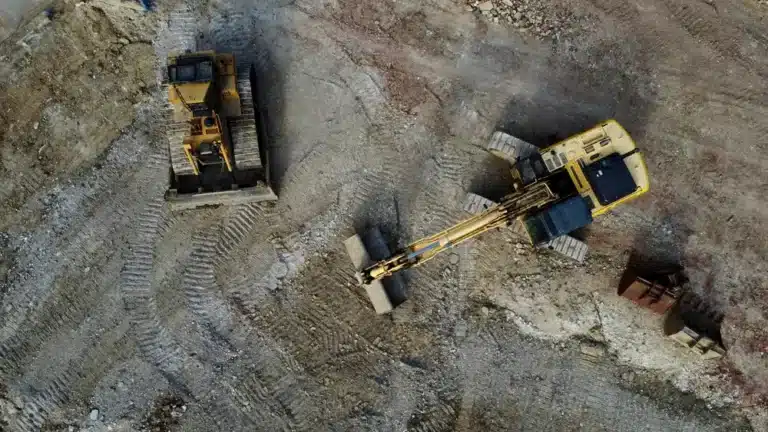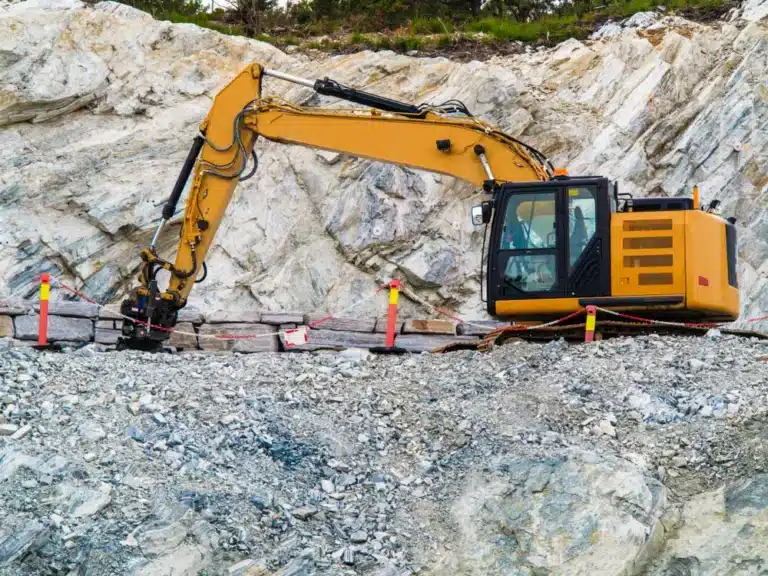


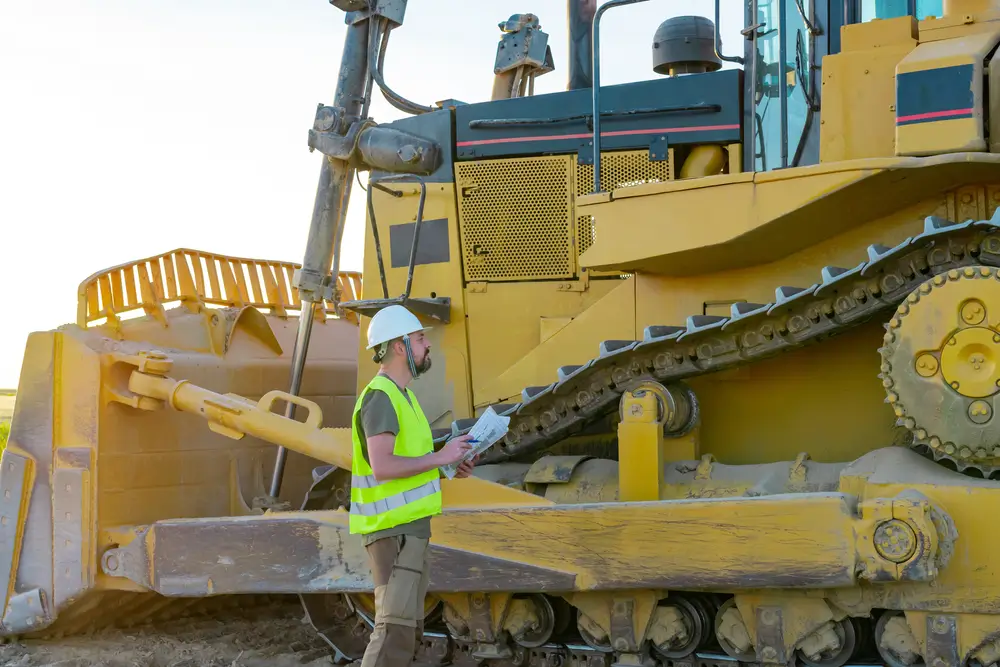
In demanding environments such as rough terrain, railway areas, or dense forests, the reliability of your equipment can make the difference between operational success and a costly shutdown. Preventive maintenance is the most effective approach to ensuring optimal performance and avoiding unexpected breakdowns that can compromise both team safety and project profitability.
The unique challenges posed by difficult terrain require close attention to detail and a maintenance strategy tailored to extreme conditions. Whether you operate in forest clearing, railway maintenance, or remote area access, your machines are exposed to exceptional stress that demands a proactive approach.
Establishing a maintenance schedule adapted to rough terrain
Creating a preventive maintenance schedule specifically designed for rugged terrain conditions forms the foundation of an effective strategy. Unlike standard environments, difficult terrain accelerates component wear and exposes equipment to specific contaminants such as mud, plant debris, or abrasive dust.
For equipment operating in forest environments, maintenance intervals should be reduced by 20 to 30% compared to standard recommendations. Air filters require daily attention, while hydraulic systems need more frequent inspections due to exposure to branches and debris.
Machines operating on railway tracks or in industrial environments require special monitoring of cooling systems and electrical components, often subjected to repeated vibrations and impacts.
Daily inspection and essential checks
Daily inspection is your first line of defense against costly breakdowns. Before each use, operators should perform a series of checks specific to the intended operating conditions.
Critical inspection points include the condition of tracks or tires, which are heavily stressed on uneven terrain. Uneven wear may indicate an alignment issue that, if not quickly corrected, can damage more expensive transmission components.
- Checking fluid levels and detecting leaks
- Visual inspection of hydraulic hoses and connections
- Examining filters and protective grilles
- Testing safety and emergency stop systems
- Verifying lighting and signaling devices
This routine, although simple, helps identify up to 80% of potential issues before they escalate into major failures.
Lubrication and hydraulic system maintenance
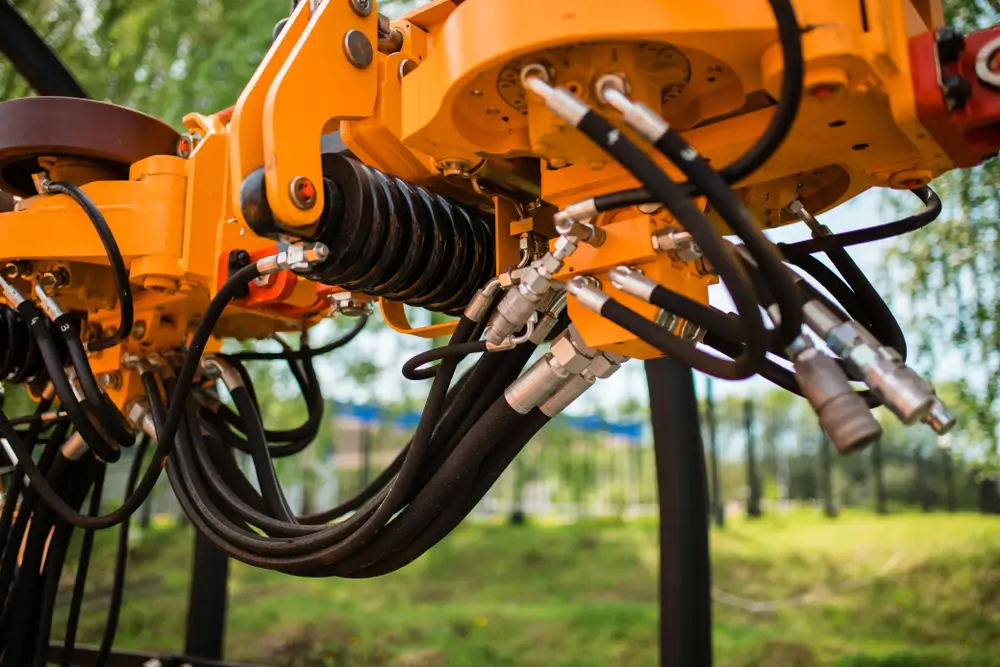
Hydraulic systems are at the core of most equipment used for rough terrain access. Their preventive maintenance is crucial, particularly in environments where contamination from external particles is constant.
The quality of hydraulic oil should be regularly monitored through sample analysis. In forest environments, the presence of organic debris can accelerate oil degradation, requiring more frequent changes than under normal conditions.
Lubrication points require daily attention, using high-performance greases suited to extreme conditions. Over-lubrication can be just as harmful as under-lubrication, attracting more contaminants and compromising seal integrity.
For equipment operating in wet or muddy conditions, the use of lithium complex-based greases provides better resistance to water and frequent washing.
Filter management and cooling systems
In dusty or debris-heavy environments, filter management becomes critical for the longevity of engines and hydraulic systems. Clogged air filters can reduce engine power by 15% and significantly increase fuel consumption.
Cooling systems face particular strain in rough terrain. Debris accumulation on radiators can quickly lead to overheating, especially during intensive work in hot weather. Daily cleaning of grilles and cooling fins is essential in such conditions.
Using long-life coolants, although initially more expensive, proves cost-effective in the long run by reducing drain intervals and offering better corrosion protection.
Documentation and performance monitoring
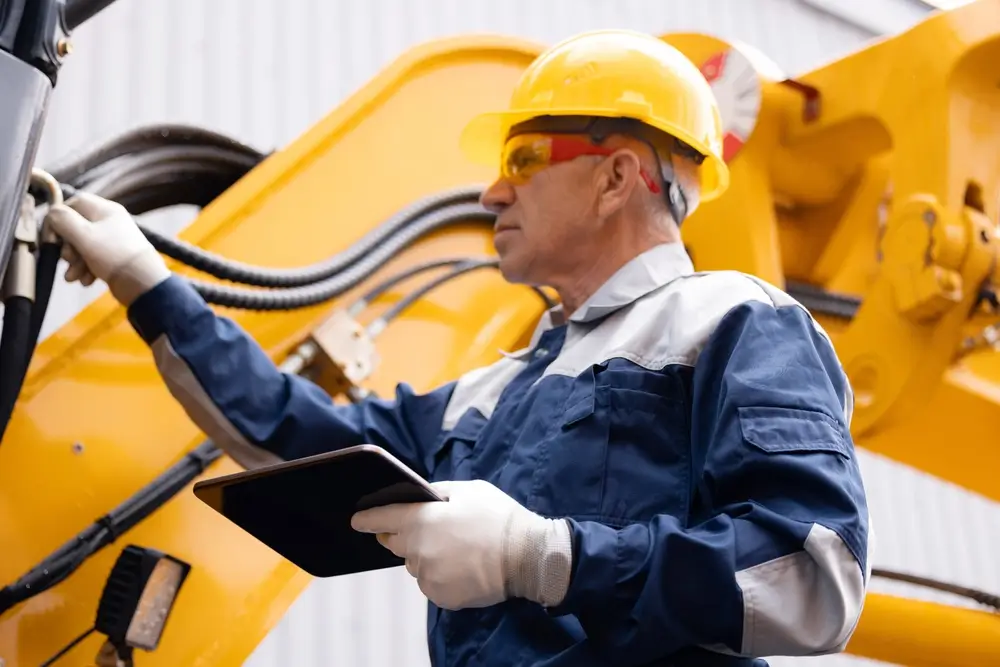
Maintaining a detailed maintenance log helps identify trends and anticipate future needs. This documentation is particularly valuable for equipment operating under variable conditions, allowing maintenance intervals to be adjusted based on actual usage.
Systematically recording operating hours, usage conditions, and completed interventions helps optimize maintenance costs and schedule necessary downtime without impacting critical operations.
New remote monitoring technologies offer valuable opportunities for real-time tracking of critical parameters, enabling even more effective predictive maintenance.
A well-structured preventive maintenance strategy is a profitable investment that significantly extends the lifespan of your equipment while ensuring operational availability. For personalized advice tailored to your specific rough terrain needs, contact the experts at Rough Access Terrain, who will guide you in optimizing your maintenance strategies.