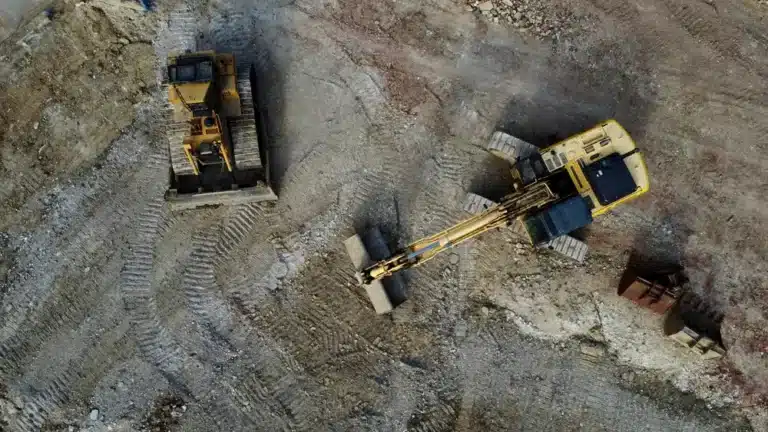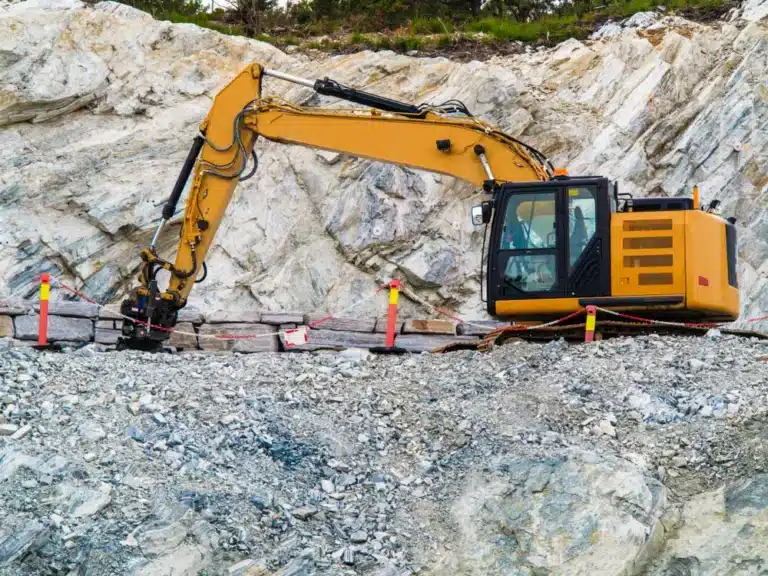


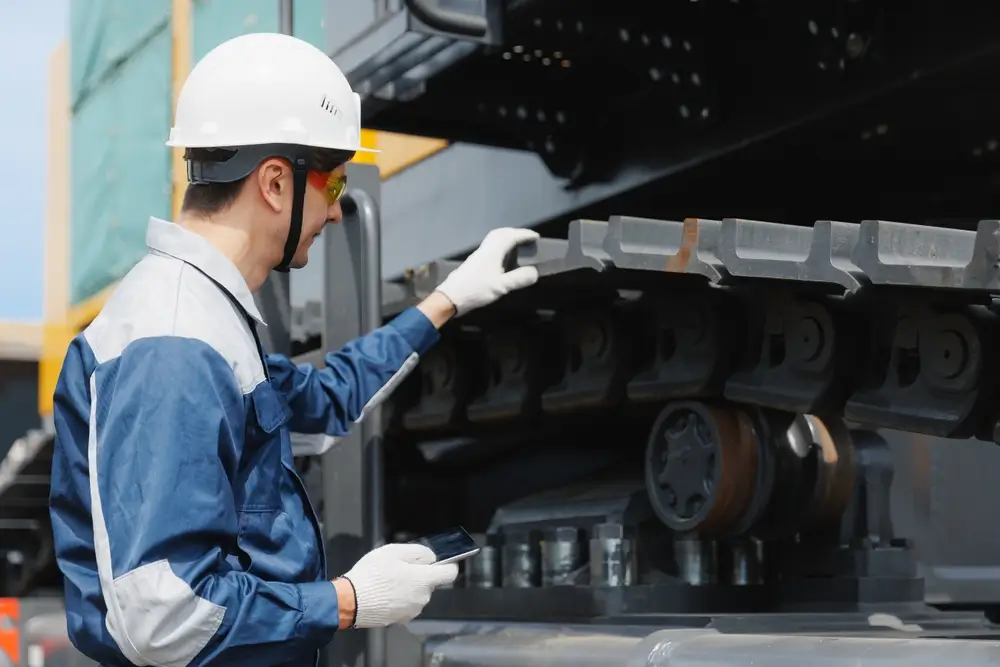
Operating heavy machinery in challenging environments like forests, railroads, and remote terrains demands exceptional equipment reliability. Maintenance techniques for rough terrain machinery are crucial for preventing costly breakdowns and ensuring operational safety in locations where repair services are difficult to access. When equipment fails in remote areas, the consequences extend far beyond simple downtime – they can jeopardize entire projects and create safety hazards for operators.
Rough terrain machinery faces unique challenges that standard equipment never encounters. Extreme temperatures, abrasive materials, moisture, debris, and constant vibrations create a perfect storm of conditions that accelerate wear and tear. Understanding how to properly maintain these machines isn’t just about following manufacturer guidelines – it requires specialized knowledge adapted to harsh working environments.
Pre-operational inspection protocols for harsh environments
Every successful maintenance program begins with thorough pre-operational inspections tailored to rough terrain conditions. These inspections must be more comprehensive than standard checks, focusing on components most vulnerable to environmental stress.
Start each day by examining hydraulic systems for leaks, as rough terrain operations put extreme pressure on seals and hoses. Check hydraulic fluid levels and look for contamination that could indicate internal component wear. Pay special attention to rod seals and cylinder rods, which are particularly susceptible to damage from debris and extreme temperatures.
Track and undercarriage systems require meticulous attention in rough terrain applications. Inspect track tension daily, as improper tension leads to premature wear and potential track throwing. Remove accumulated debris from sprockets, idlers, and track frames – organic matter like leaves and branches can retain moisture and accelerate corrosion.
Engine compartment inspections should include checking air filter condition more frequently than manufacturer recommendations suggest. Dusty, debris-laden environments quickly clog filters, reducing engine performance and potentially causing costly internal damage. Examine cooling system components for damage from flying debris and ensure radiator fins remain clear of obstructions.
Lubrication strategies for extreme operating conditions
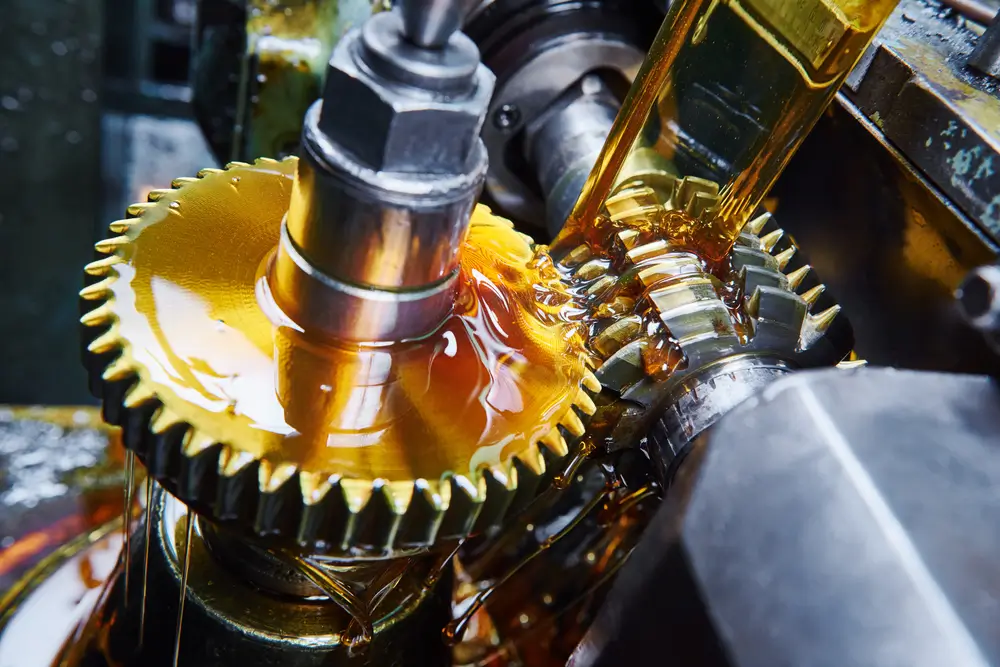
Proper lubrication becomes even more critical in rough terrain applications, where standard maintenance intervals may prove inadequate. Extreme operating conditions require adjusted lubrication schedules and specialized products designed for harsh environments.
Use high-performance lubricants specifically formulated for extreme temperatures and heavy-duty applications. These products maintain viscosity better under stress and provide superior protection against contamination. Consider synthetic lubricants for their enhanced performance characteristics and extended service intervals.
Increase lubrication frequency for high-stress components like boom, arm, and bucket pivot points. These joints face constant loading and unloading cycles in rough terrain work, making regular lubrication essential for preventing premature wear. Establish a systematic approach using numbered grease fittings to ensure no points are missed.
Contamination prevention is paramount when working in dirty environments. Clean grease fittings before each lubrication session and use high-quality grease guns with clean, covered grease cartridges. Replace damaged or missing grease fitting caps immediately to prevent dirt infiltration.
Specialized lubricants for harsh conditions
Different rough terrain applications demand specific lubricant characteristics. Forest operations require biodegradable options that won’t harm ecosystems if spilled. Railroad work may demand lubricants that perform well in wet conditions and resist washing away. Research and invest in products designed for your specific operating environment.
Filtration system maintenance for equipment longevity
Filtration systems serve as the first line of defense against contamination in rough terrain machinery. Proper filter maintenance can significantly extend equipment life and prevent catastrophic failures in remote locations where immediate repair isn’t possible.
Air filtration requires special attention in dusty, debris-heavy environments. Implement multi-stage air filtration systems when possible, and consider pre-cleaners for extremely dusty conditions. Monitor filter restriction indicators closely and replace filters before they reach maximum restriction levels. Keep spare filters readily available, as rough terrain conditions may require more frequent changes than anticipated.
Hydraulic system filtration deserves equal attention, as contaminated hydraulic fluid can destroy expensive components quickly. Use high-efficiency return filters and consider adding auxiliary filtration systems for critical applications. Regular fluid analysis helps identify contamination trends before they cause damage.
Fuel system filtration becomes crucial when operating in remote areas where fuel quality may be questionable. Install water separators and additional filtration as needed. Keep fuel systems clean and consider using biocide additives if fuel will be stored for extended periods in humid conditions.
Component-specific maintenance for rough terrain machinery
Different machinery components face unique challenges in rough terrain applications, requiring targeted maintenance approaches that address specific vulnerabilities and failure modes common to harsh operating environments.
Track systems demand careful attention to tension adjustment, as improper tension accelerates wear and can lead to track failure in critical situations. Monitor track pad condition and replace worn pads before they expose track chains to damage. Keep tension within manufacturer specifications, adjusting more frequently in abrasive conditions.
Boom and arm structures endure tremendous stress in rough terrain applications. Inspect weld areas regularly for crack development, paying particular attention to high-stress concentration points. Address any structural issues immediately, as small cracks can propagate quickly under heavy loading conditions.
Electrical system maintenance requires special consideration in harsh environments. Protect connections from moisture and debris using appropriate sealing methods. Inspect wire harnesses regularly for damage from abrasion or sharp objects. Keep spare electrical components on hand, as electrical failures in remote locations can shut down operations completely.
Hydraulic system care
Hydraulic systems power most rough terrain machinery functions and require meticulous care. Monitor fluid temperature, as overheated hydraulic fluid loses its protective properties and can damage system components. Ensure cooling systems remain clean and functional, and consider auxiliary cooling if operating in extremely hot conditions.
Record keeping and predictive maintenance strategies

Comprehensive record keeping enables predictive maintenance strategies that prevent failures before they occur. Maintenance documentation becomes even more valuable in rough terrain applications, where equipment operates far from service facilities and failure prevention is paramount.
Maintain detailed logs of all maintenance activities, including routine services, repairs, and component replacements. Track fluid analysis results to identify trends that indicate developing problems. Document unusual operating conditions or incidents that may affect future maintenance needs.
Implement condition monitoring techniques appropriate for your equipment and budget. Vibration analysis can identify bearing and gear problems before they cause catastrophic failures. Thermal imaging helps detect developing electrical problems and hydraulic system issues. Oil analysis programs provide early warning of internal component wear.
Preventive maintenance scheduling should account for actual operating conditions rather than just hours of operation. Equipment working in extremely dusty conditions may require more frequent service than the same machine operating in cleaner environments. Adjust maintenance intervals based on real-world experience and component condition trends.
Implementing proper maintenance techniques for rough terrain machinery requires dedication, specialized knowledge, and attention to detail. The investment in comprehensive maintenance programs pays dividends through reduced downtime, extended equipment life, and improved operational safety. By following these proven strategies and adapting them to your specific operating conditions, you can maximize equipment reliability and minimize unexpected failures in challenging environments. Contact Rough Terrain Access today to learn how our expertise can help optimize your equipment maintenance programs and ensure reliable operations in any challenging terrain.