

Forest access and clearing operations present unique challenges that require specialized knowledge, proper equipment, and meticulous planning. Whether you’re conducting timber harvests, environmental restoration projects, or infrastructure development, implementing best practices for forest access is essential for ensuring worker safety, environmental protection, and operational efficiency. Professional teams working in these demanding environments must navigate complex terrain while minimizing ecological impact and maintaining productivity standards.
The complexity of forest operations demands a comprehensive approach that balances safety protocols, environmental stewardship, and cost-effective methods. From initial site assessment to final restoration, every phase requires careful consideration of multiple factors including terrain conditions, weather patterns, wildlife protection, and regulatory compliance.
Pre-operation planning and site assessment
Successful forest access begins with thorough site assessment and planning. Before any equipment enters the forest, teams must conduct comprehensive surveys to identify potential hazards, sensitive ecological areas, and optimal access routes. This preliminary phase involves mapping existing trails, evaluating soil conditions, and assessing slope stability to determine the most suitable approach for each specific location.
Environmental considerations play a crucial role during this planning stage. Teams must identify protected species habitats, water sources, and areas prone to erosion. Creating detailed topographical maps helps operators understand drainage patterns and select routes that minimize environmental disruption while maintaining safe access for personnel and equipment.
Weather monitoring becomes particularly important when planning forest operations. Seasonal variations, precipitation patterns, and temperature fluctuations all impact soil stability and equipment performance. Professional teams establish weather contingency plans and identify alternative access routes to ensure operations can continue safely under changing conditions.
Equipment selection and preparation
Choosing appropriate machinery for forest terrain requires expertise in matching equipment capabilities to specific site conditions. Specialized forest equipment includes tracked vehicles for unstable ground, low ground pressure machines for sensitive soils, and multi-purpose attachments that can handle various clearing tasks efficiently.
Regular maintenance schedules become even more critical in forest environments where equipment faces harsh conditions including moisture, debris, and challenging terrain. Teams must ensure all safety systems function properly and carry appropriate spare parts for field repairs when working in remote locations.
Safe access techniques for challenging forest terrain
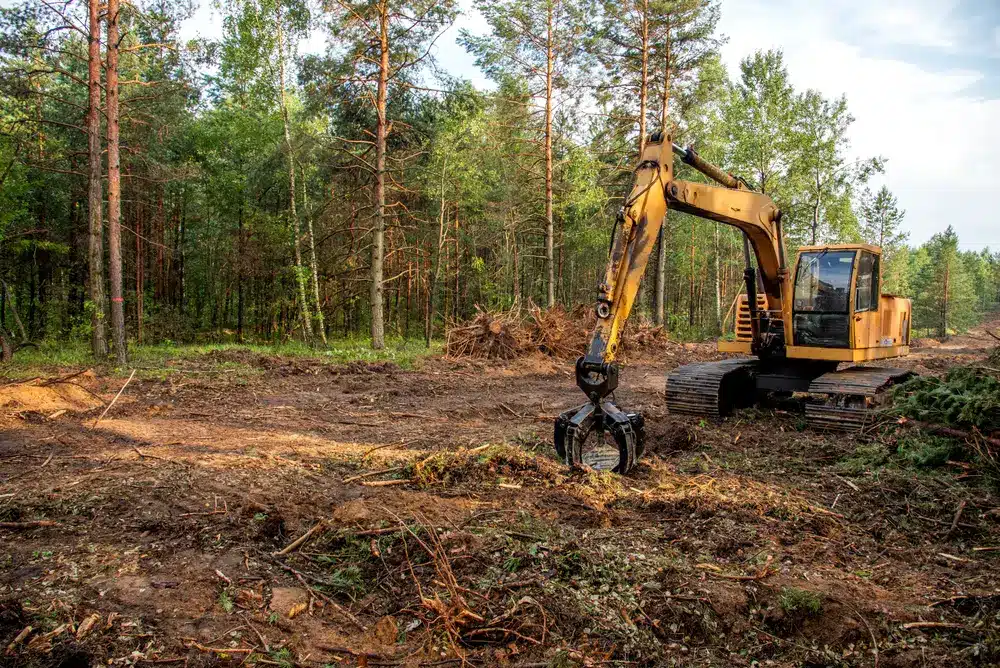
Navigating forest terrain safely requires specialized techniques adapted to various ground conditions and topographical challenges. Safe access methods include establishing stable work platforms, creating temporary bridges over wetlands, and using winching systems for steep slope operations. These techniques allow teams to reach difficult areas while maintaining safety standards and minimizing environmental impact.
Slope management represents one of the most critical aspects of forest access safety. Operations on steep terrain require specialized equipment with enhanced stability features, proper anchor points, and emergency evacuation plans. Teams must understand soil mechanics and recognize signs of potential slope failure to prevent accidents and equipment damage.
Creating sustainable access roads involves understanding long-term environmental impacts and implementing proper drainage systems. Well-designed forest roads reduce erosion, protect water quality, and provide reliable access for ongoing forest management activities. This includes installing culverts, creating proper road crowns, and establishing vegetation buffers near water sources.
Wildlife and habitat protection protocols
Forest operations must balance productivity goals with wildlife habitat protection. This involves timing operations to avoid critical breeding seasons, maintaining wildlife corridors, and implementing buffer zones around sensitive areas. Professional teams work closely with environmental specialists to ensure compliance with all relevant regulations while maintaining operational efficiency.
Noise management becomes particularly important in areas with sensitive wildlife populations. Using properly maintained equipment, implementing quiet hours, and selecting appropriate machinery help minimize disturbance to forest ecosystems while maintaining safety and productivity standards.
Clearing techniques and environmental stewardship
Modern forest clearing techniques emphasize selective removal methods that preserve valuable trees while achieving operational objectives. These approaches require skilled operators who can identify species, assess tree health, and execute precise cuts that minimize damage to surrounding vegetation.
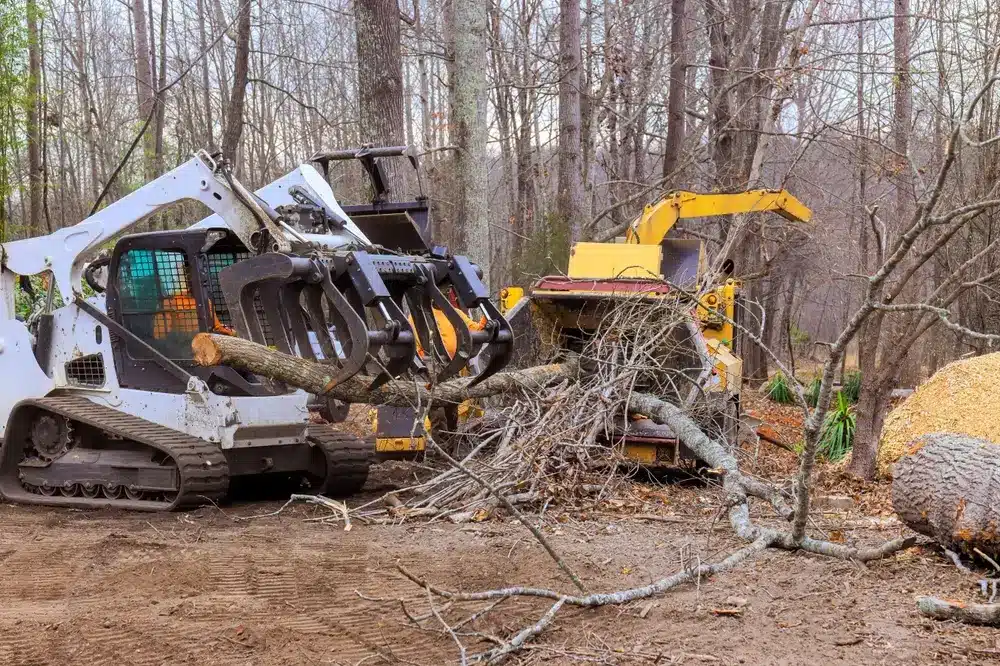
Biomass management plays an increasingly important role in sustainable forest operations. Rather than burning or burying cleared material, modern techniques include chipping for mulch, creating wildlife habitat structures, and processing material for renewable energy applications. These methods reduce waste while providing additional value from clearing operations.
Soil protection during clearing operations requires careful attention to equipment tracking patterns, timing operations during appropriate soil conditions, and implementing erosion control measures. Professional teams use techniques such as brush matting, temporary bridges, and designated equipment paths to minimize soil compaction and preserve long-term forest productivity.
Restoration and rehabilitation practices
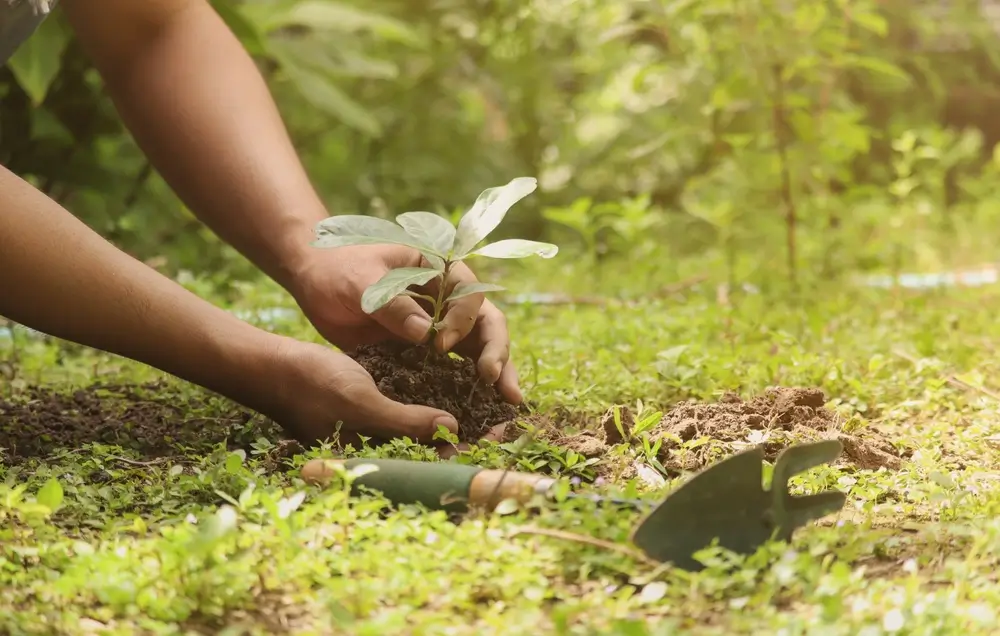
Post-operation site restoration ensures long-term environmental health and regulatory compliance. This includes revegetation planning, erosion control implementation, and monitoring programs to track recovery progress. Professional teams establish native plant communities that provide erosion control while supporting local wildlife populations.
Water quality protection requires specific attention during and after clearing operations. Implementing sediment barriers, maintaining riparian buffers, and monitoring downstream water quality help ensure operations meet environmental standards and protect sensitive aquatic ecosystems.
Safety protocols and emergency preparedness
Forest operations demand comprehensive safety protocols that address the unique risks associated with remote work environments. This includes communication systems for emergency situations, first aid training specific to forest injuries, and evacuation procedures for various terrain conditions.
Personal protective equipment requirements extend beyond standard construction safety gear to include specialized forest safety equipment. This includes cut-resistant clothing for chainsaw operations, high-visibility gear for working near heavy equipment, and emergency communication devices for remote locations.
Emergency response planning must account for the challenges of accessing injured personnel in remote forest locations. This includes establishing emergency access routes, maintaining communication with emergency services, and training team members in wilderness first aid techniques. Professional teams also maintain emergency supply caches and ensure all personnel understand evacuation procedures.
Regular safety training updates keep teams current on best practices and regulatory changes. This ongoing education covers equipment operation, hazard recognition, and emergency response procedures specific to forest environments. Teams that prioritize safety training consistently demonstrate better safety records and higher productivity levels.
Implementing these best practices for forest access and clearing requires expertise, proper equipment, and commitment to safety and environmental stewardship. Professional teams with specialized knowledge can help you navigate the complexities of forest operations while achieving your project objectives safely and efficiently. Contact our experienced team today to discuss your forest access challenges and discover how our specialized solutions can support your next project.